Art market insight and expertise
I’m Joe Dunning, an art market expert with twenty years’ experience across the industry. From handling iconic works behind the scenes at Christie’s to shaping high-stakes auctions at Sotheby’s, I’ve seen record-breaking sales and witnessed the forces that drive the market.
Today, I share this insider knowledge through The Back Room, helping collectors, professionals, and enthusiasts gain actionable insight, connect with peers, and navigate the art world with confidence.
Here’s a bit more about how I got here.
Learning the market from the inside out
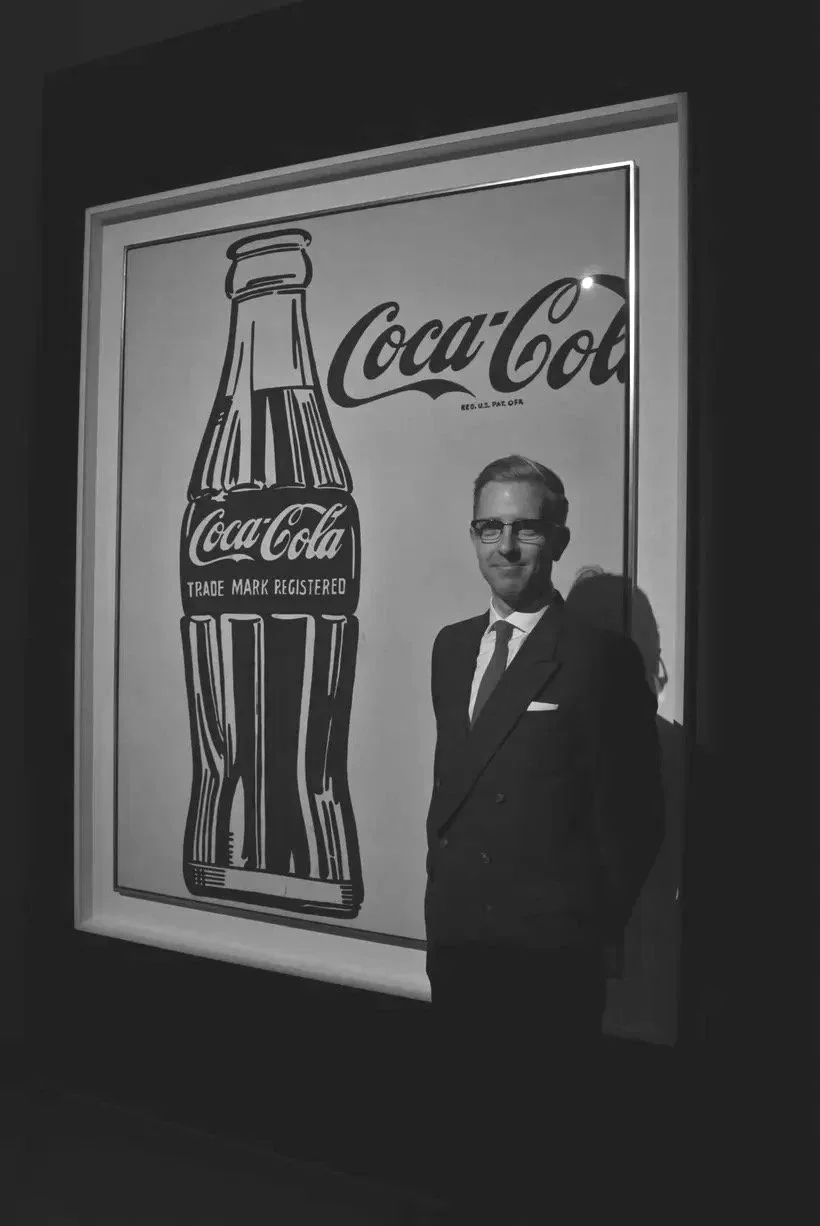
My art market journey started out in the shipping department at Christie’s. It was an inauspicious start in some ways – my very first task was about as far away from the glamour of the auction room as you can get – but there was something about what made these objects desired and valued that hooked me.
One of my memorable challenges from those early years was bringing a giant Jeff Koons sculpture from a remote town in the US to London for auction. It took weeks of careful coordination, and it gave me a glimpse of how much work goes on behind the scenes – the truckers and technicians, the registrars and restorers – to make major events like auctions and art fairs possible.
I worked there while completing my Masters in Cultural and Creative Industries, where my dissertation looked at how the market influences the art we consider important.
That dissertation would serve me well in the next chapter of my career.
Inside the information economy
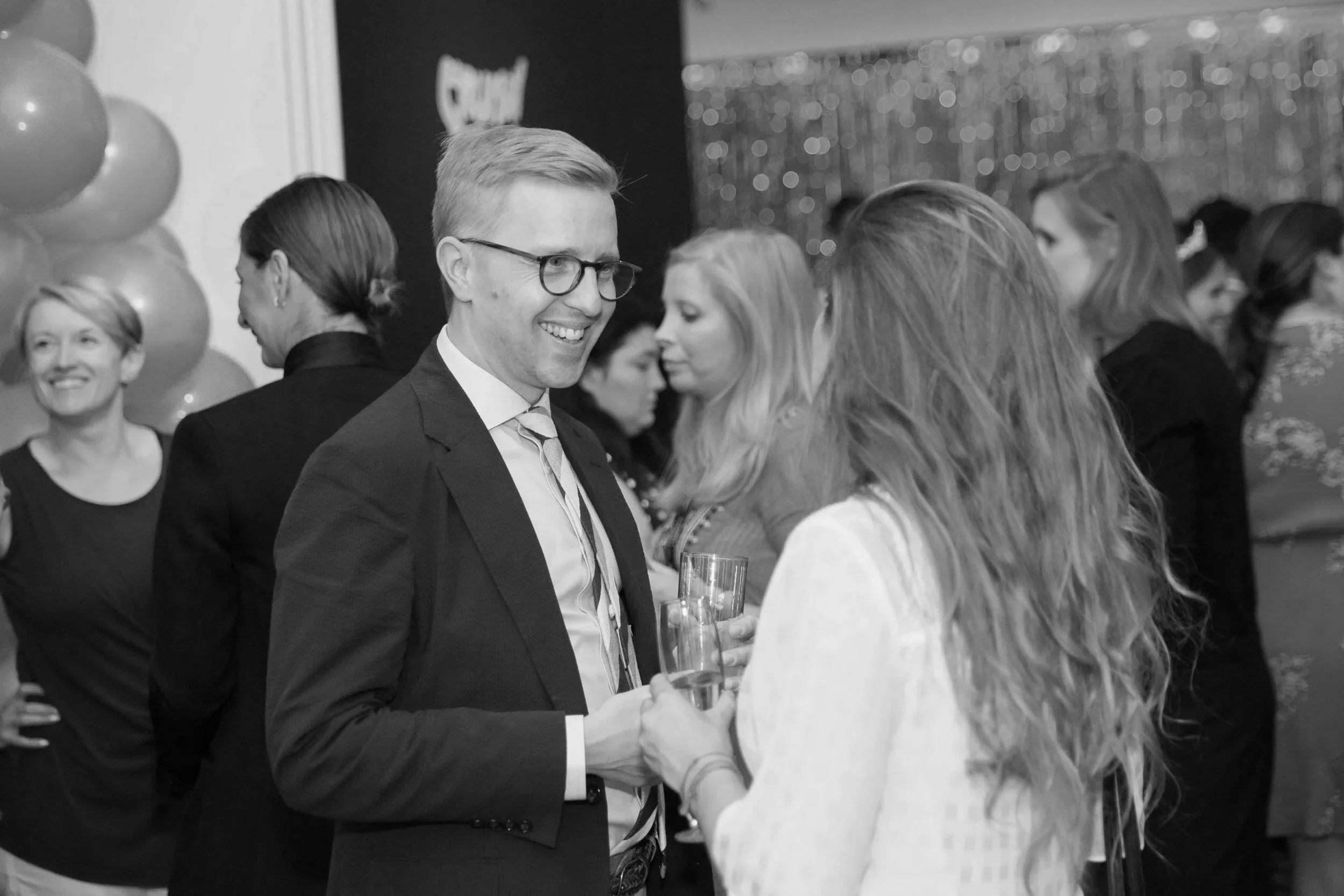
After completing my Masters I moved to the Contemporary department at Christie’s. I was responsible for gathering and safeguarding information about collectors: who they were, what they were buying, for how much and from whom. Who might want to sell this season, and what sort of deal might entice them to do so?
This job taught me the importance of intel. It taught me that the art market runs on information – who has it, and who doesn’t; who needs it and who wants it.
It taught me that data isn’t just numbers on a spreadsheet; it’s conversations in the gallery, it’s notes in the margins of catalogues, it’s the gossip that spills at drinks and dinners in all the major art cities around the world.
Rewriting the market
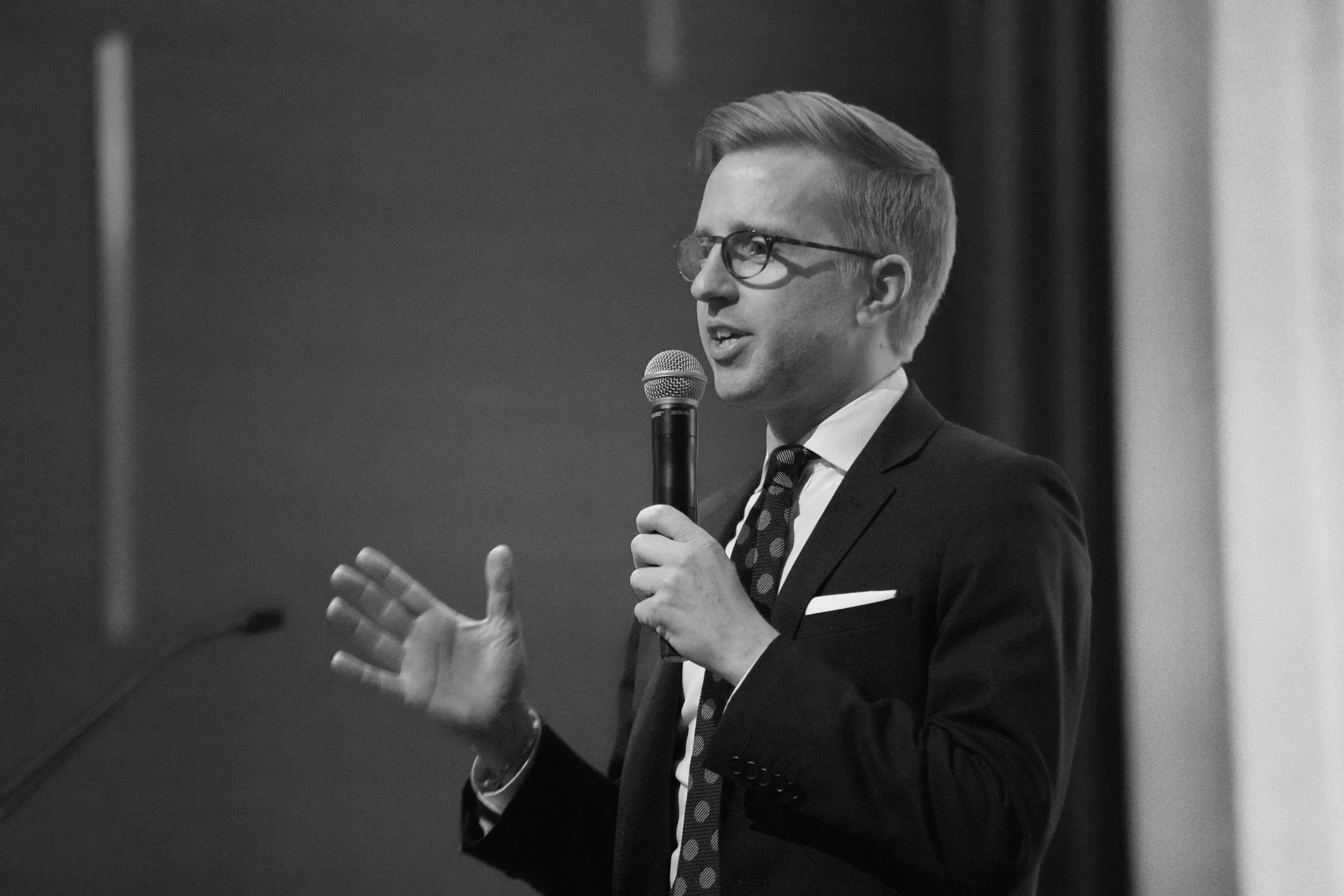
I did this job at a time when the market was growing, and this meant I was part of some memorable market moments.
I was in the auction room when the world record was broken by the Francis Bacon triptych of Lucian Freud. And again 18 months later when a Picasso took top spot. I saw the record price for a living artist broken not once but twice.
I saw new buyers enter the market, and watched established collectors compete with them. I witnessed speculation on young artists, tallied who won and who lost when their prices shot up one season, plummeted the next. And I saw financial instruments like guarantees become a crucial tool in the battle for the top consignments.
In the room where it happened
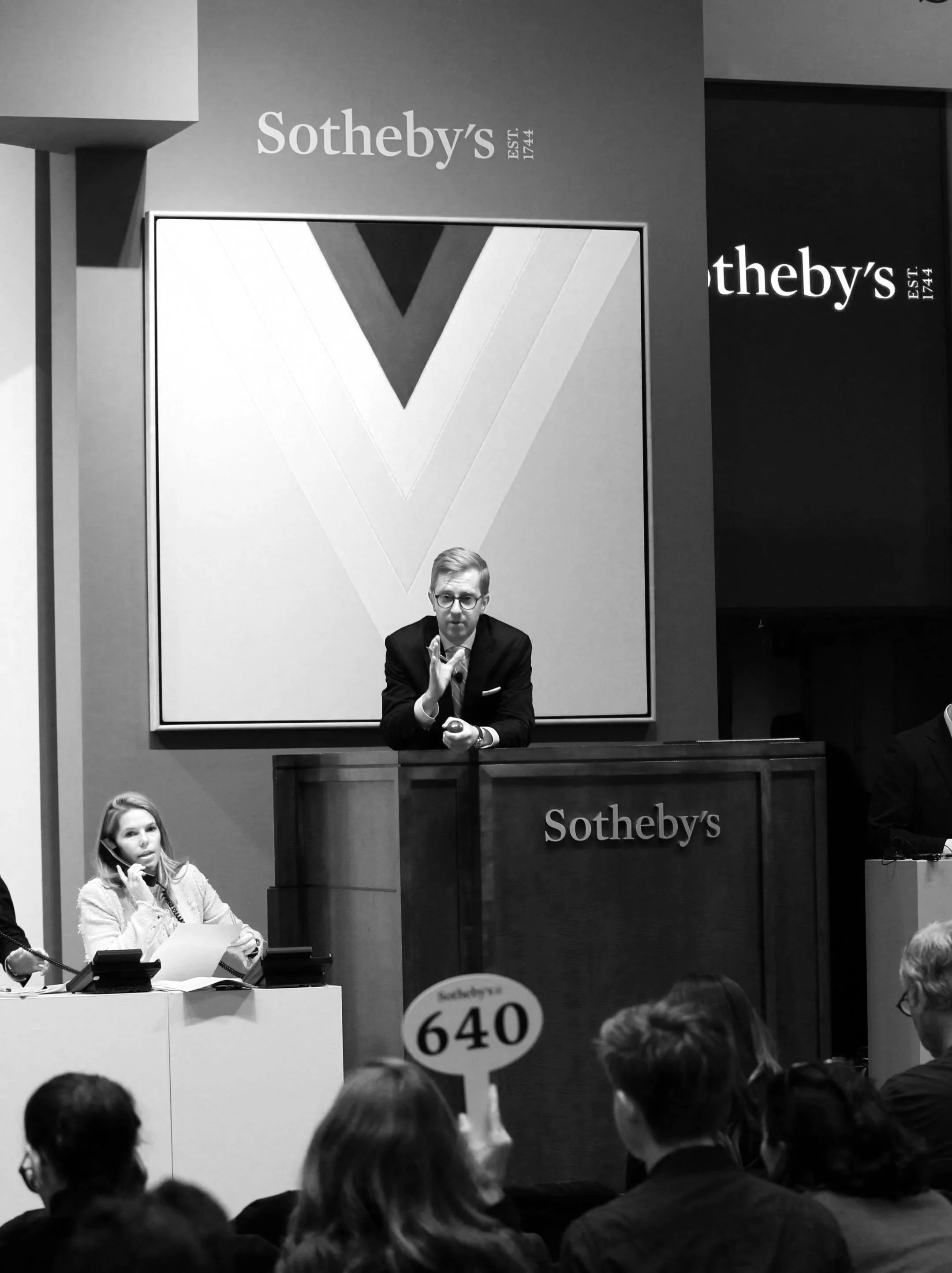
When I was offered a role at Sotheby’s in New York, developing and implementing the strategy for the company’s biggest sales, it was too good to turn down.
I moved to a new company in a new city, and faced a new set of challenges. While I was there we grew the company’s private sales operation, increased the profitability of its auction dealmaking, acquired a team of tech entrepreneurs to develop the company’s digital offerings, and launched an editorial project analysing the market.
All the while I kept my eye firmly on the market. I was there when the Banksy shredded. I was there when the price for Basquiat passed $100 million. I was there when David Bowie’s collection attracted so many bids the auction went on into the small hours.
It was during this time that I became an auctioneer. I conducted sales in every category and at every price point, giving me a privileged view on the market, and a unique role in shaping it. The art market is always a conversation between seller expectation and buyer appetite. I’d learned that at Christie’s when handling client intel; I’d applied it at Sotheby’s when finessing deal structures; and now I was seeing it in real time as the auctioneer.
From inside to insight
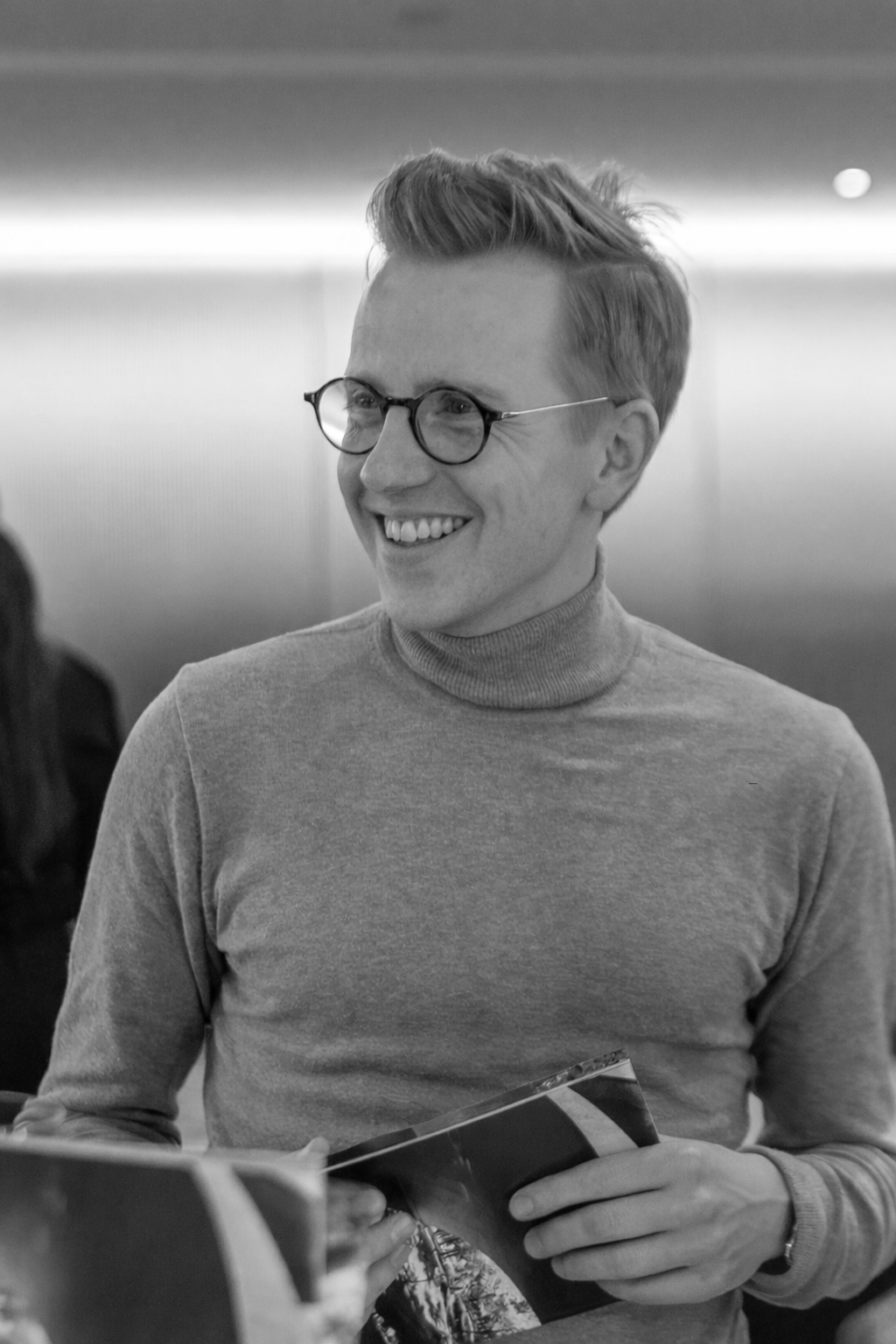
I left the auction business because I wanted to offer some of the skills I’d developed to clients on the non-commercial side of the industry, and because I wanted to shift my relationship with the market, to participate in it in a different way. For the last five years I have run Dunning & Partners, a consultancy that provides business development services to cultural organisations around the world.
During this time I have continued to be involved in the market, as collector and critic, advocate and analyst.
And also as an educator: I have taught at Sotheby’s Institute of Art for eight years, and for the last two years I’ve been designing and running a series of short courses designed to build participants’ understanding of the art market. We cover all areas of the market: artists, galleries, art fairs, auctions, and more. I deliver lectures, interview guest speakers, and arrange site visits, taking participants from beginner to intermediate to advanced.
A broadened perspective
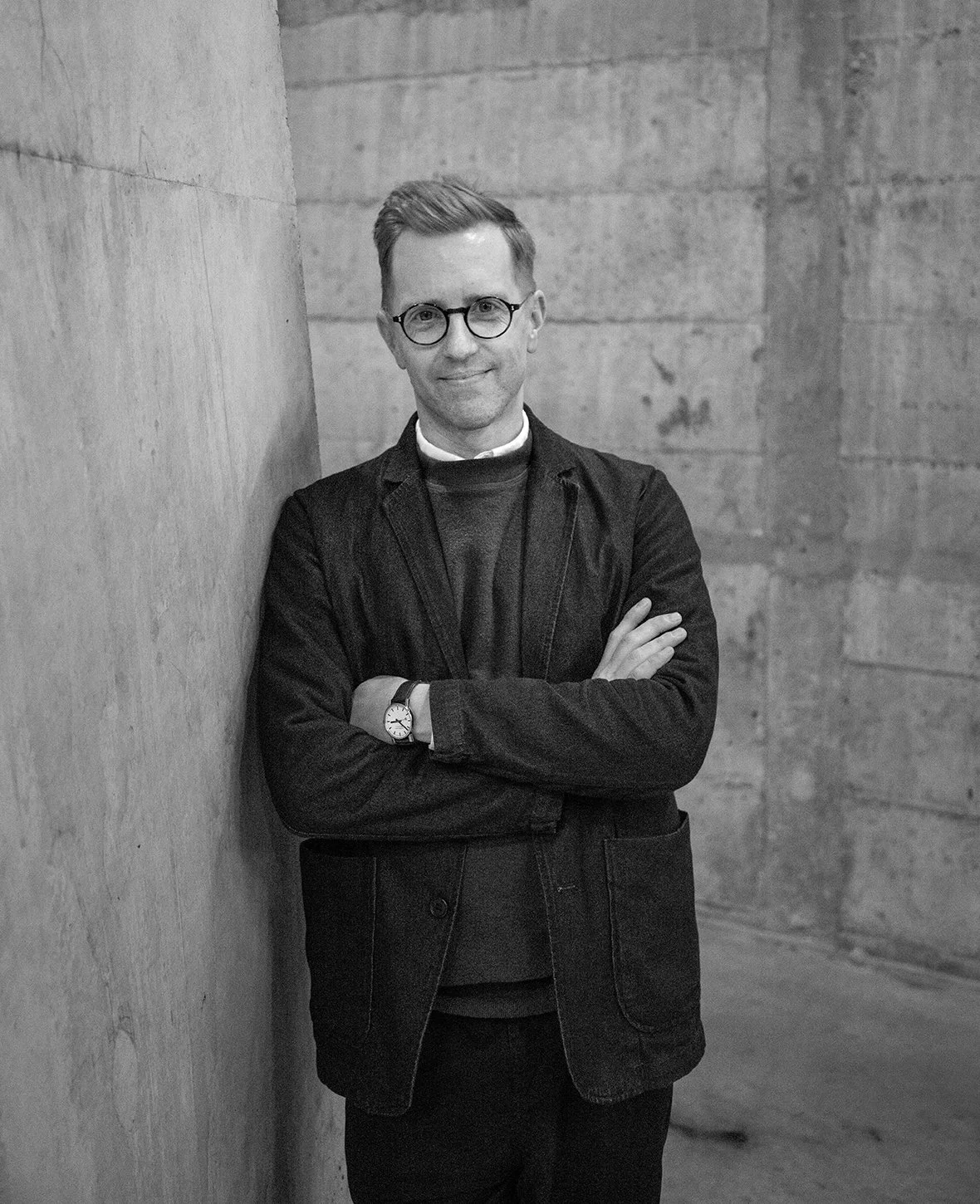
In the last five years my network has broadened and deepened. I work with people at every level of the market, in all corners of the industry. I’ve met people from all over the world, coming to the art market for all manner of reasons. I’ve seen the market from the negotiating table, the exhibition room, the art fair booth, the auctioneer’s rostrum. I’ve been on every possible side of a deal, but never more than one side at a time.
And I’ve developed a knack for distilling all of these experiences when talking to people who don’t know anything about the art market except that it interests them.
I launched The Back Room for people like that: who want to learn more about the art market. Whether it’s because you’ve just started collecting and you want to make more informed buying decisions; or because you’ve finished your studies and you want to work in the industry; or because you’ve gained experience in another industry and want to influence this one, this is a space where you can learn, connect and engage with people shaping the market. The Back Room is designed for you, and I can’t wait to welcome you in soon.