Rolling the Dice: Risk, Reach and Reality in the Art Market
Bitesize | February 2026
A free taster of the Bulletin
This month’s Bulletin moves from Doha to London, examining two very different expressions of risk in today’s art market.
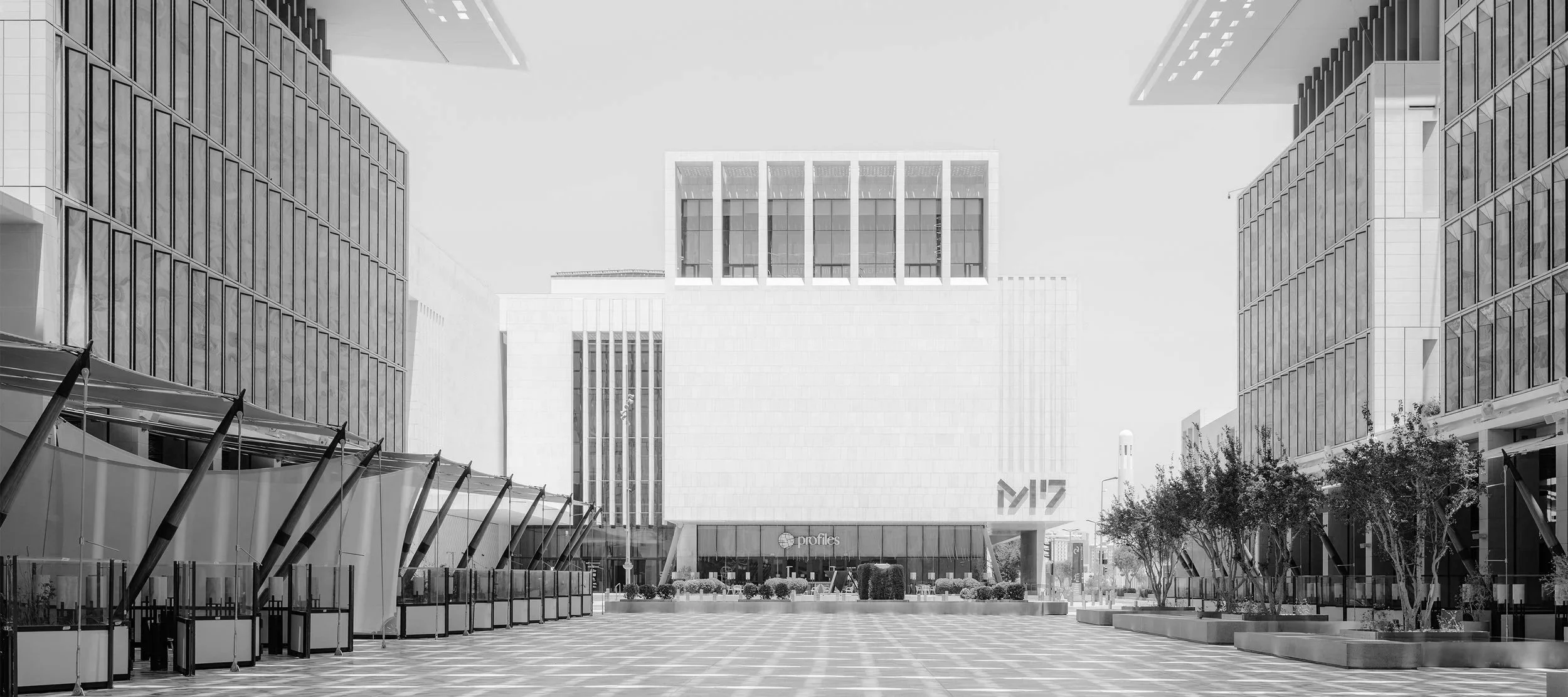
At the inaugural Art Basel Qatar, a new fair model tested the balance between spectacle, state backing and commercial reality.
Meanwhile, the sudden closure of Stephen Friedman Gallery prompted urgent questions about expansion, competition, and the pressures facing mid-tier galleries.
Together, these stories offer a revealing study of how ambition, strategy and risk intersect in the current market moment.
Below is a preview of the ground covered in the full edition.
In the Bulletin this month
Spectacle, strategy, and whether a market can be built by design.
What a new model suggests about the version of the art fair we’ve normalised.
Why the the pressure to have international reach can lead to success and failure.
“Like a biennial, but everything is also for sale”
The inaugural Art Basel Qatar set out to be different.
Smaller in scale, curated through solo presentations, and framed as a long-term cultural investment rather than a short-term commercial sprint, the fair blurred the line between spectacle and marketplace.
It prompted a series of questions:
Can a market be built deliberately – and at speed?
What does state backing do to the traditional risk profile of an art fair?
Were galleries there for immediate sales, strategic positioning, or something else entirely?
Early reports described a slower pace and more selective transactions. Expectations appeared carefully managed. Yet behind the headlines lies a more complex story about who was underwriting the risk, how galleries adjusted their behaviour, and what this model might mean for the future of global art fairs.
The full Bulletin examines what really happened on the ground, and what it reveals about the version of the fair model we’ve quietly come to accept elsewhere.
Every edition of The Bulletin is available to members of The Back Room
Survival in the balance
The sudden closure of Stephen Friedman Gallery sent shockwaves through the London art world.
An established gallery with a thirty-year history, respected artists, and strong institutional relationships does not simply disappear without raising larger questions. Was this an isolated case? A cautionary tale? Or something more structural?
This section of the Bulletin explores:
The pressures facing mid-tier galleries who attempt to maintain international relevance
The strategic logic – and financial strain – of expansion
The increasingly narrow margins between ambition and overreach
It also considers what public filings and auditor statements can – and cannot – tell us about the gallery’s final months.
Beyond the balance sheet, there is a quieter story about risk, reputation, and the human cost when a gallery closes. That dimension is often overlooked – but it matters.
Want to know what the financial filings and expansion strategy really reveal about the line between ambition and overreach?
Why this matters
Taken together, these two stories are not about boom or bust. They are about risk.
Who absorbs it.
Who subsidises it.
Who feels it when the numbers stop working.
The full Bulletin connects these threads in detail, looking at how galleries roll the dice in very different environments, and why the outcomes are rarely as simple as success or failure.
Curious who is truly underwriting risk in today’s art market, and who ultimately absorbs it when the model falters?